Natural Fibres
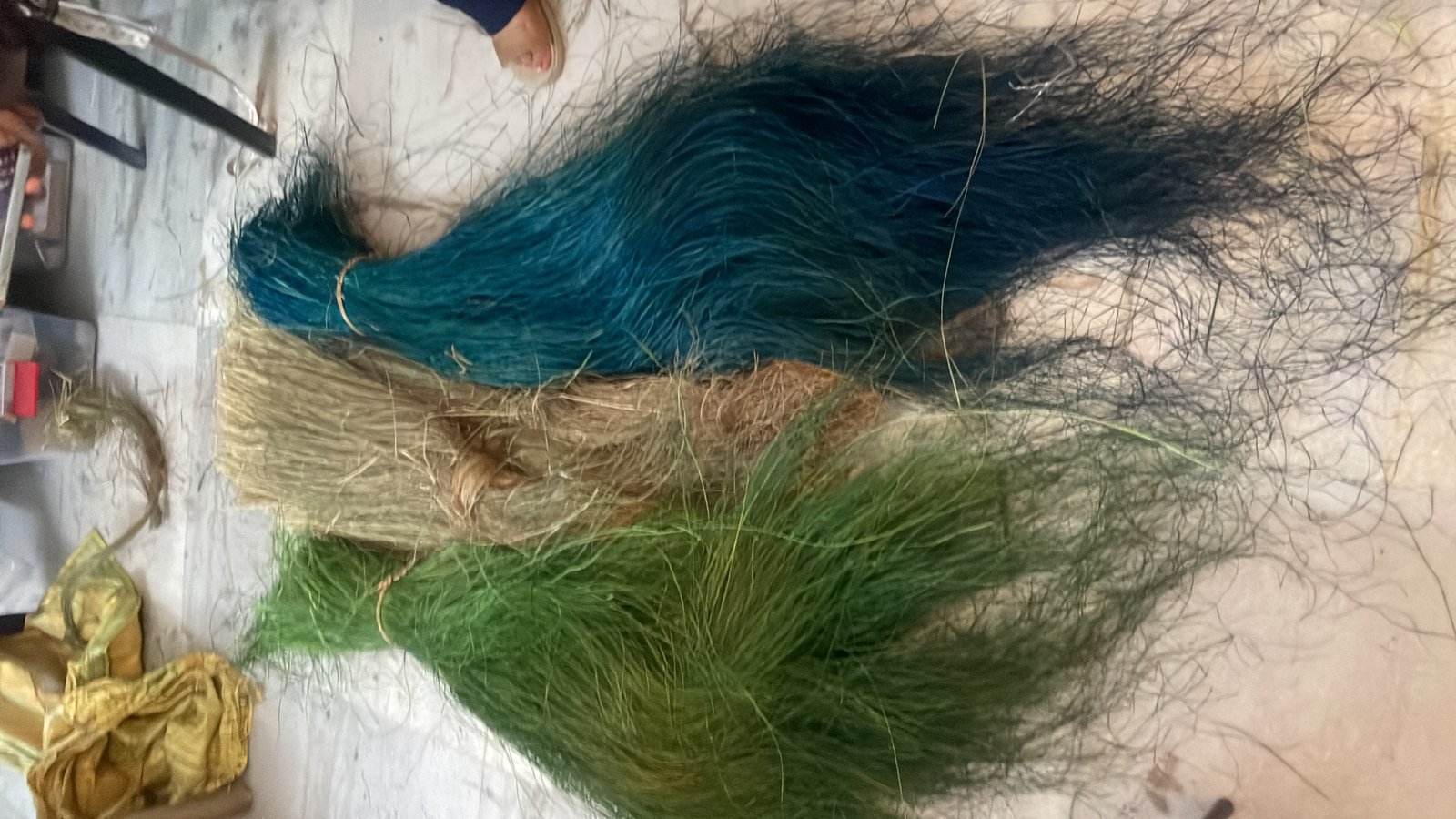
Locally harvested botanical fibers tested for durability and natural warm color.
A design-led innovation and manufacturing studio bringing together people, materials, craft, design, and new possibilities.
"Look again at the material. Look again at the maker. Look again at the life of the things we use."
Spero Project is not simply a sustainability brand, an upcycling initiative, or a charity. Sustainability, natural fibers, and material reuse are fundamental to our work, but they are not our whole identity.
We operate at the intersection of design, craft, material curiosity, and human capability. Our principle is plain: show, don't preach. The work, people, materials, and process should create the desire.
We look again at materials that have been overlooked, discarded, or underappreciated. Every material carries a story and unfulfilled potential.
Locally harvested botanical fibers tested for durability and natural warm color.
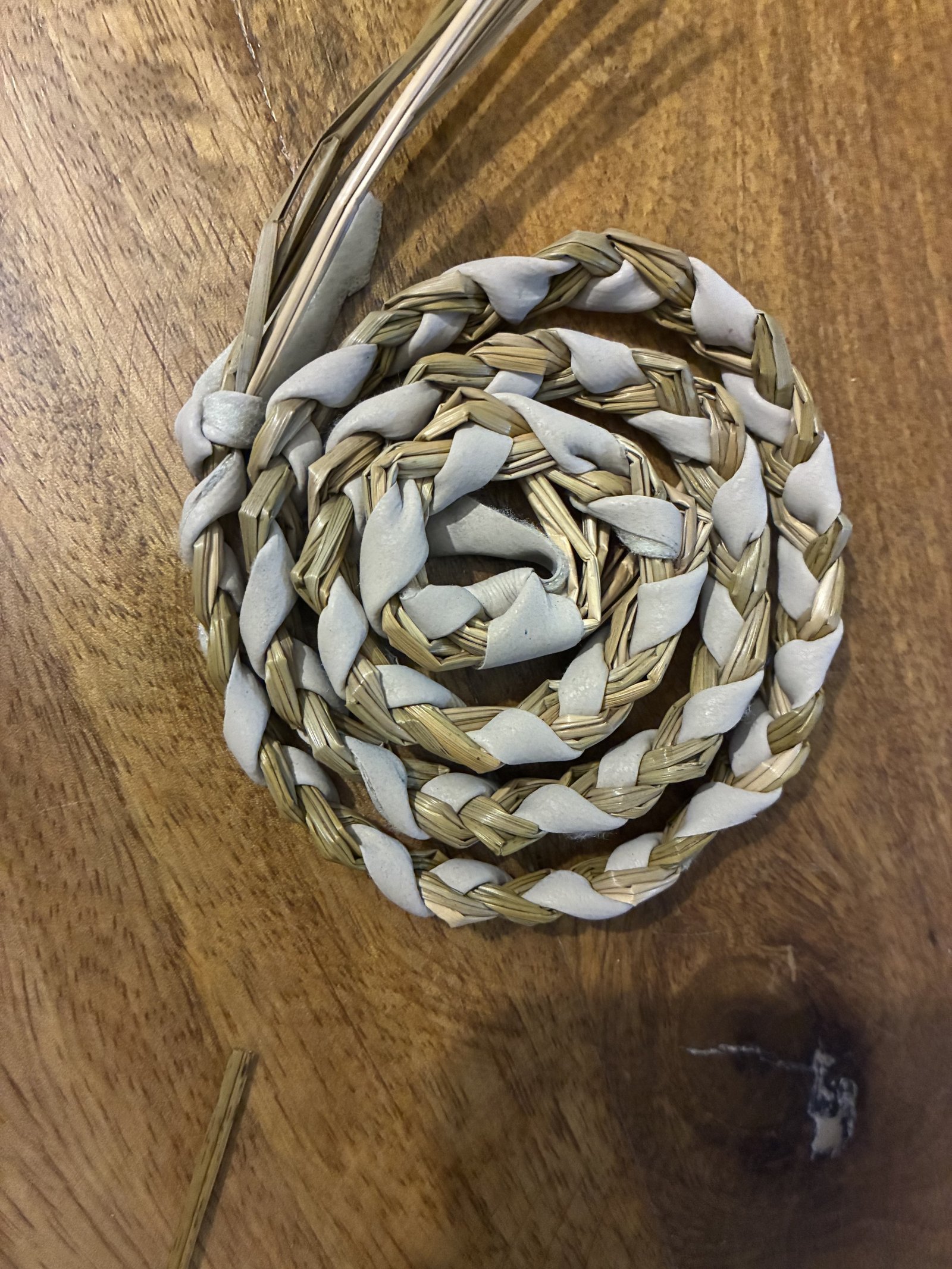
Rescued high-grade textiles transformed into resilient architectural weaves.
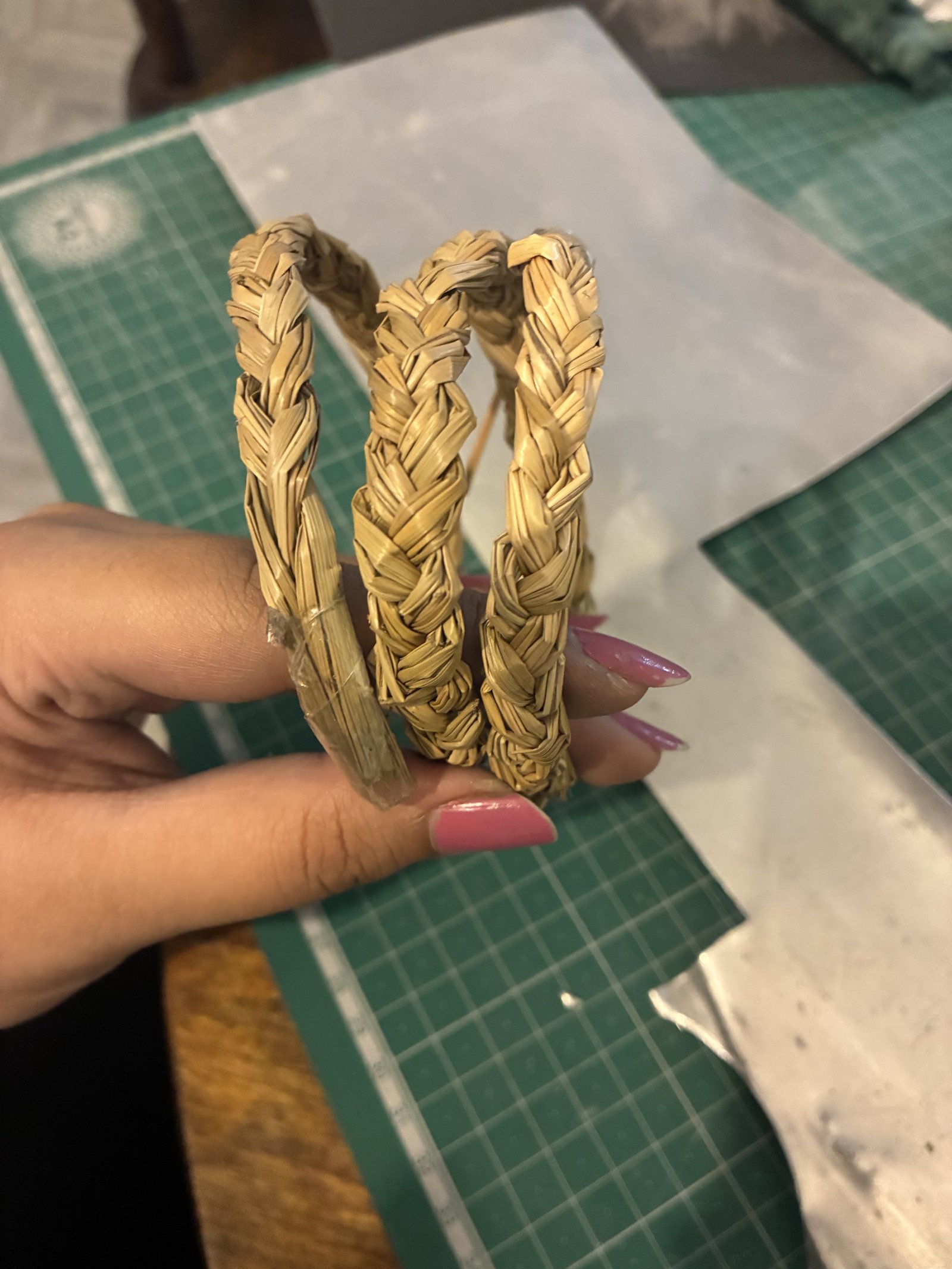
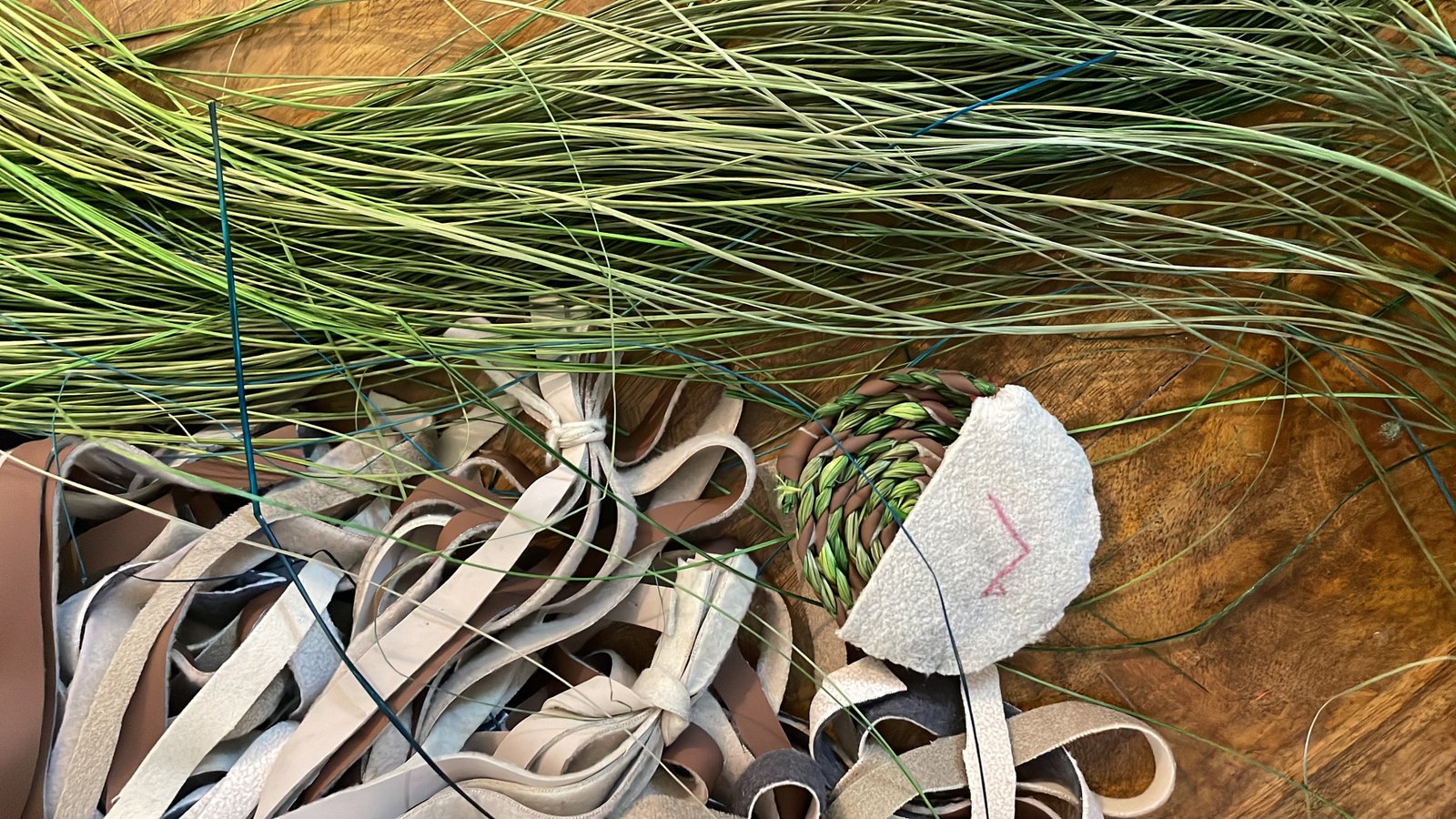
Fast-growing aquatic stems harvested to clear waterways and braided into structural cords.
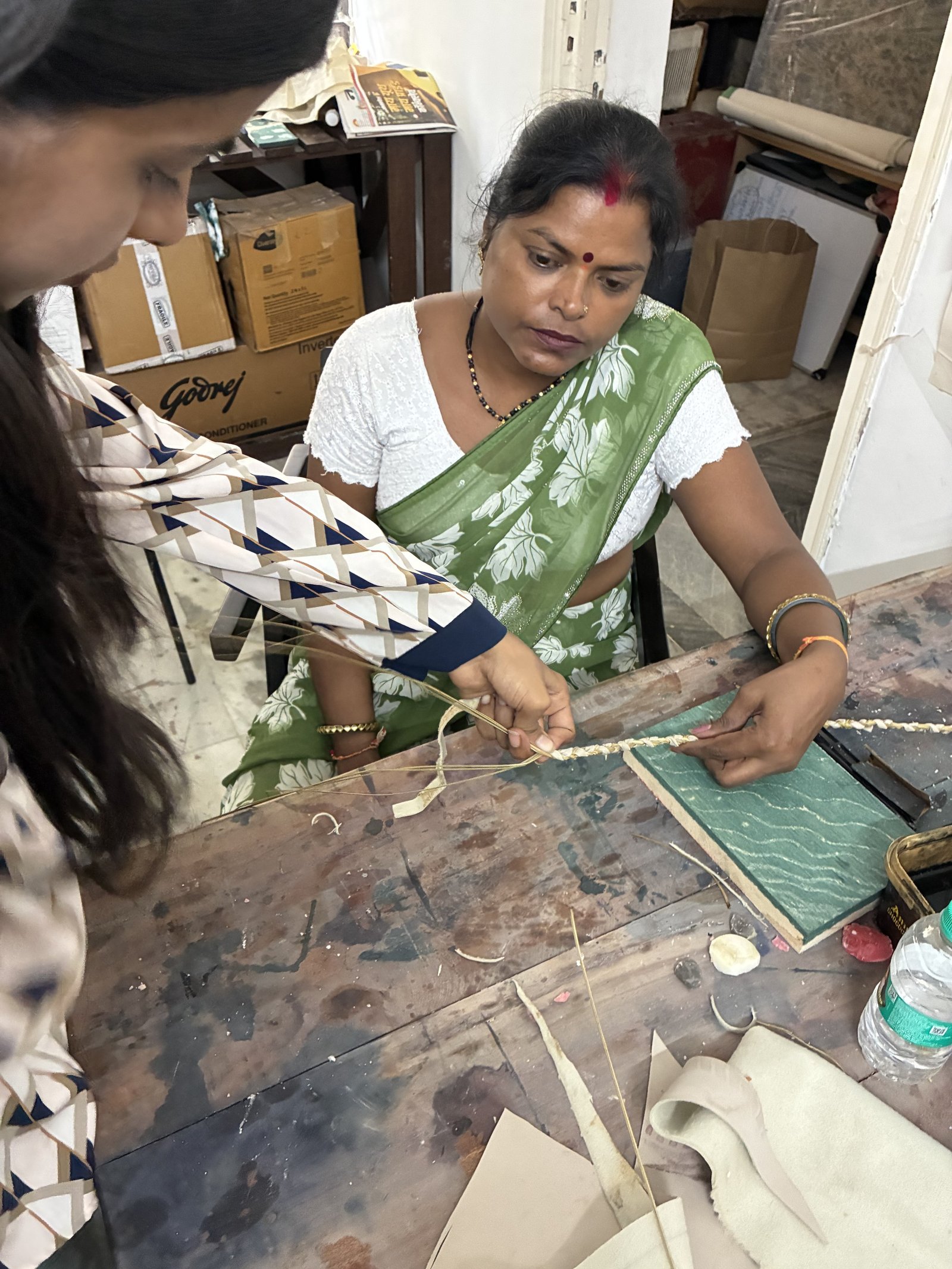
People are at the heart of Spero. We focus on skills, learning, confidence, income, and economic independence for women artisans and local makers.
We avoid framing makers as charity beneficiaries. Spero's visual and verbal foundation respects the individual's contribution, craftsmanship, and agency.
LEARN ABOUT OUR COMMUNITY MODEL →Craft knowledge meets design intent. We design objects that are beautiful, useful, original, and worth keeping for generations.
By uniting traditional hand-weaving skills with contemporary minimalist forms, Spero elevates raw material experimentation into enduring everyday utility.
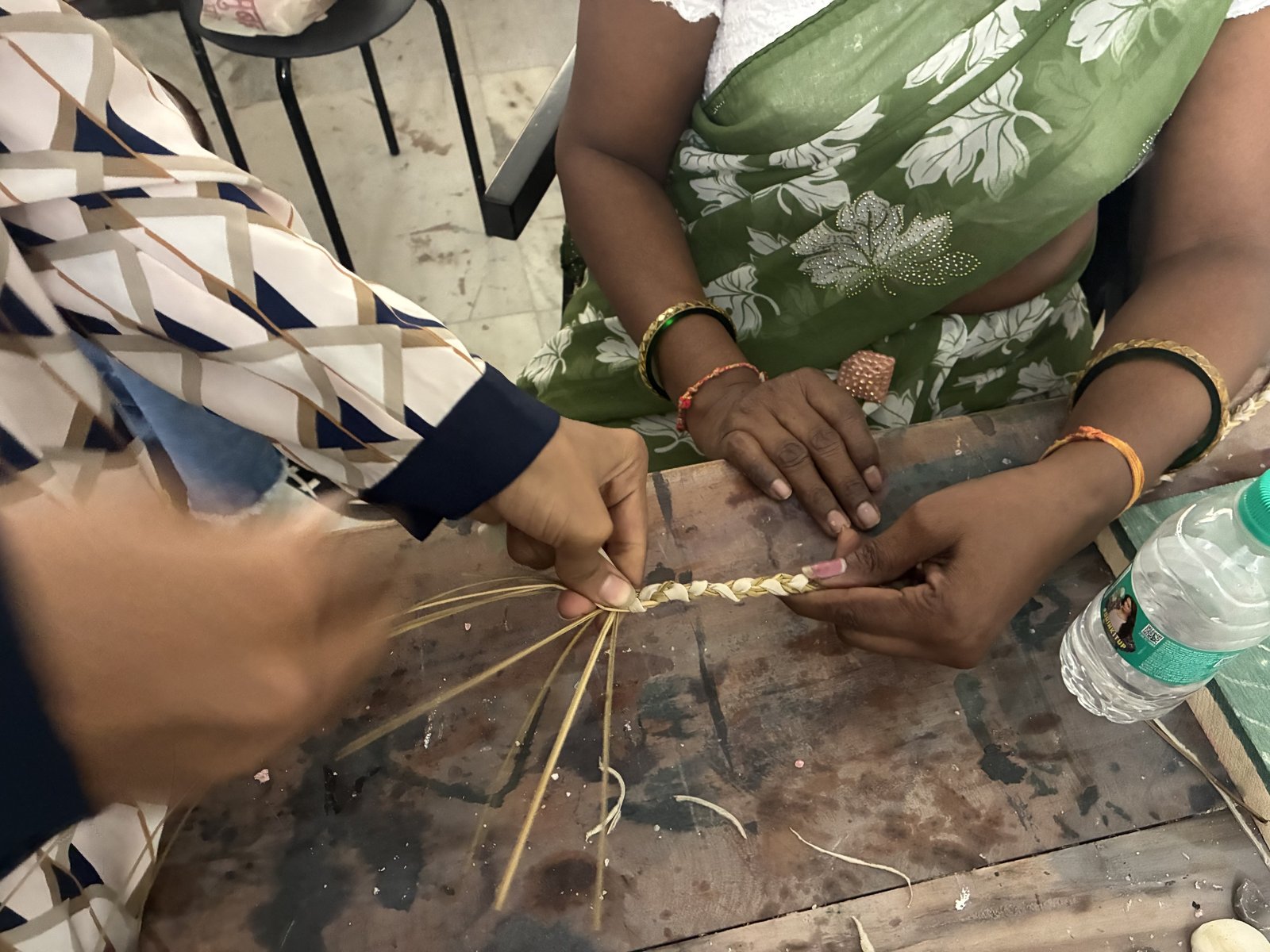
Products designed to be desirable independently of their sustainability story. The story deepens the product.
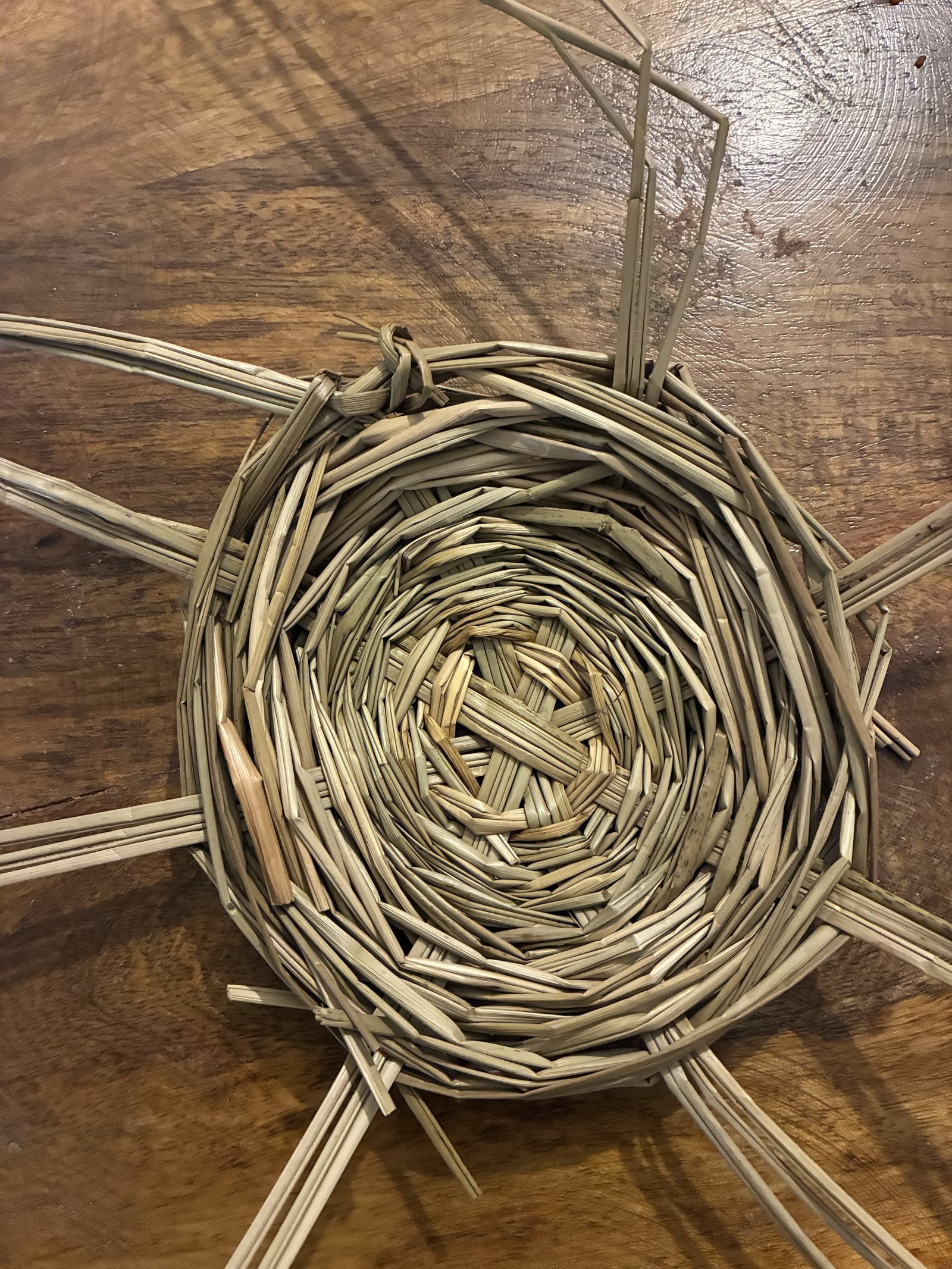
Crafted from reclaimed upholstery selvage and water hyacinth fibre.
INQUIRE FOR DETAILS →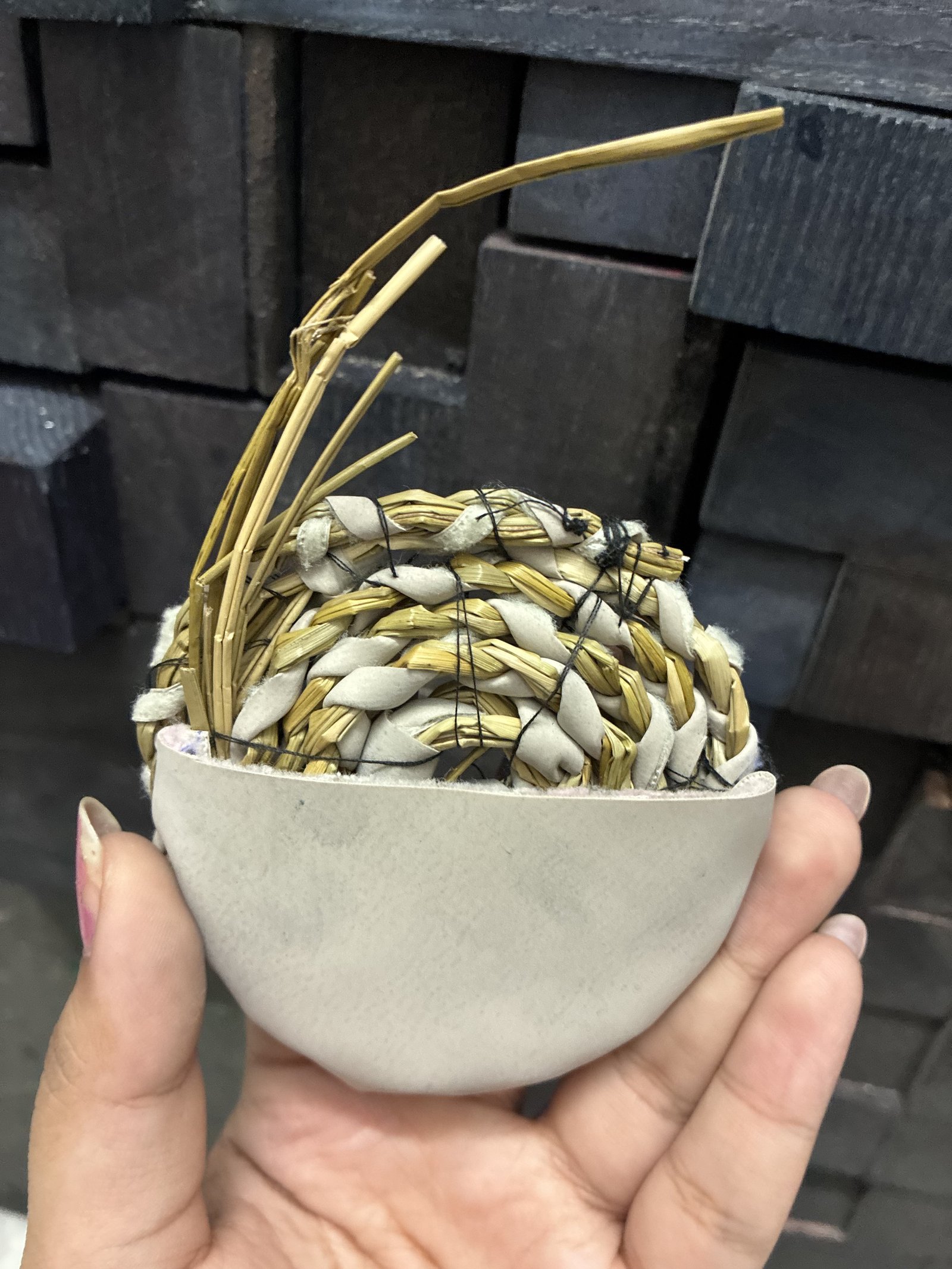
Constructed from high-tensile natural fibers and upcycled textile offcuts.
INQUIRE FOR DETAILS →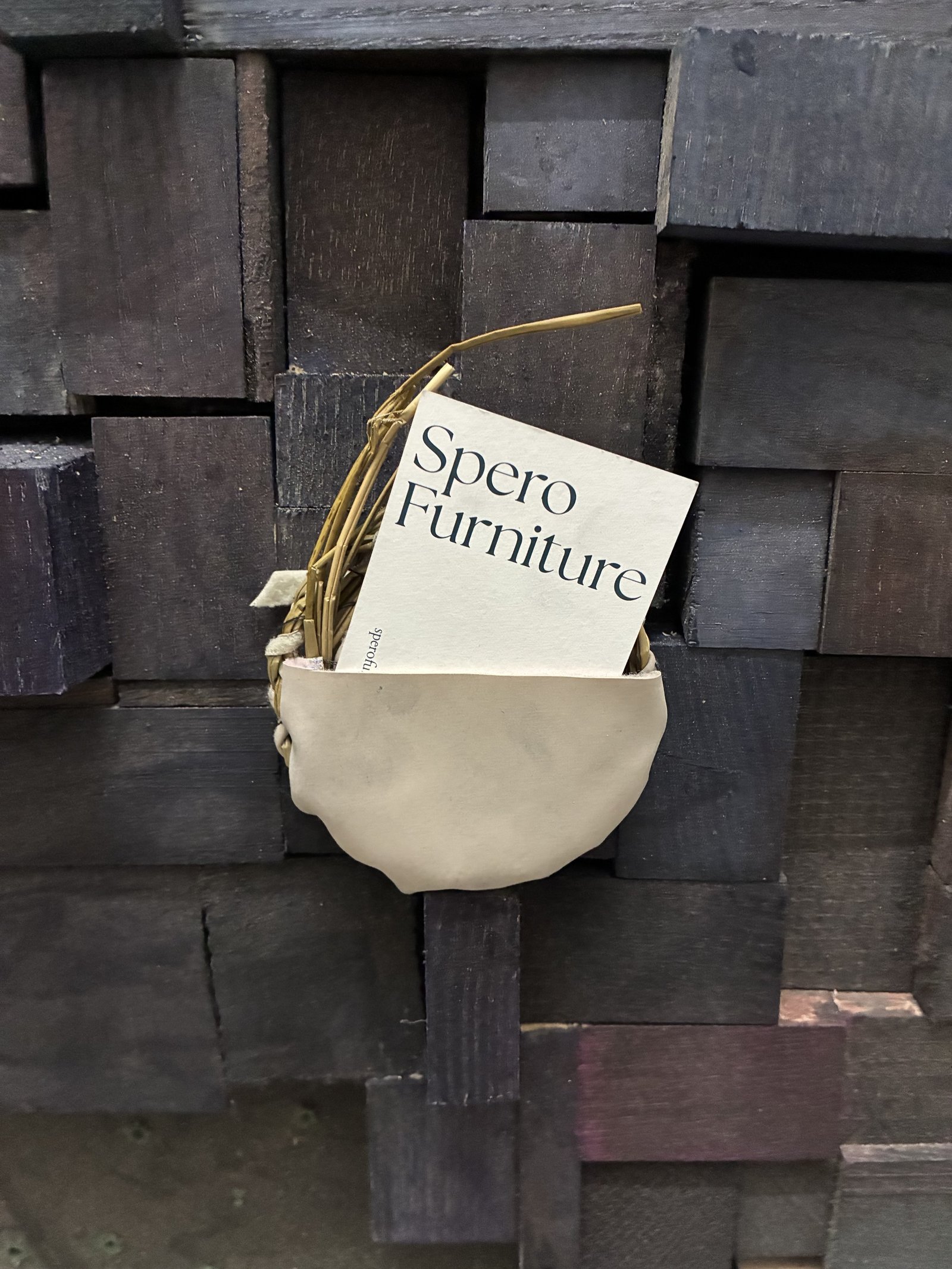
A collaborative development with regional interior designers, introducing woven waste-stream acoustic wall panels into commercial spaces.
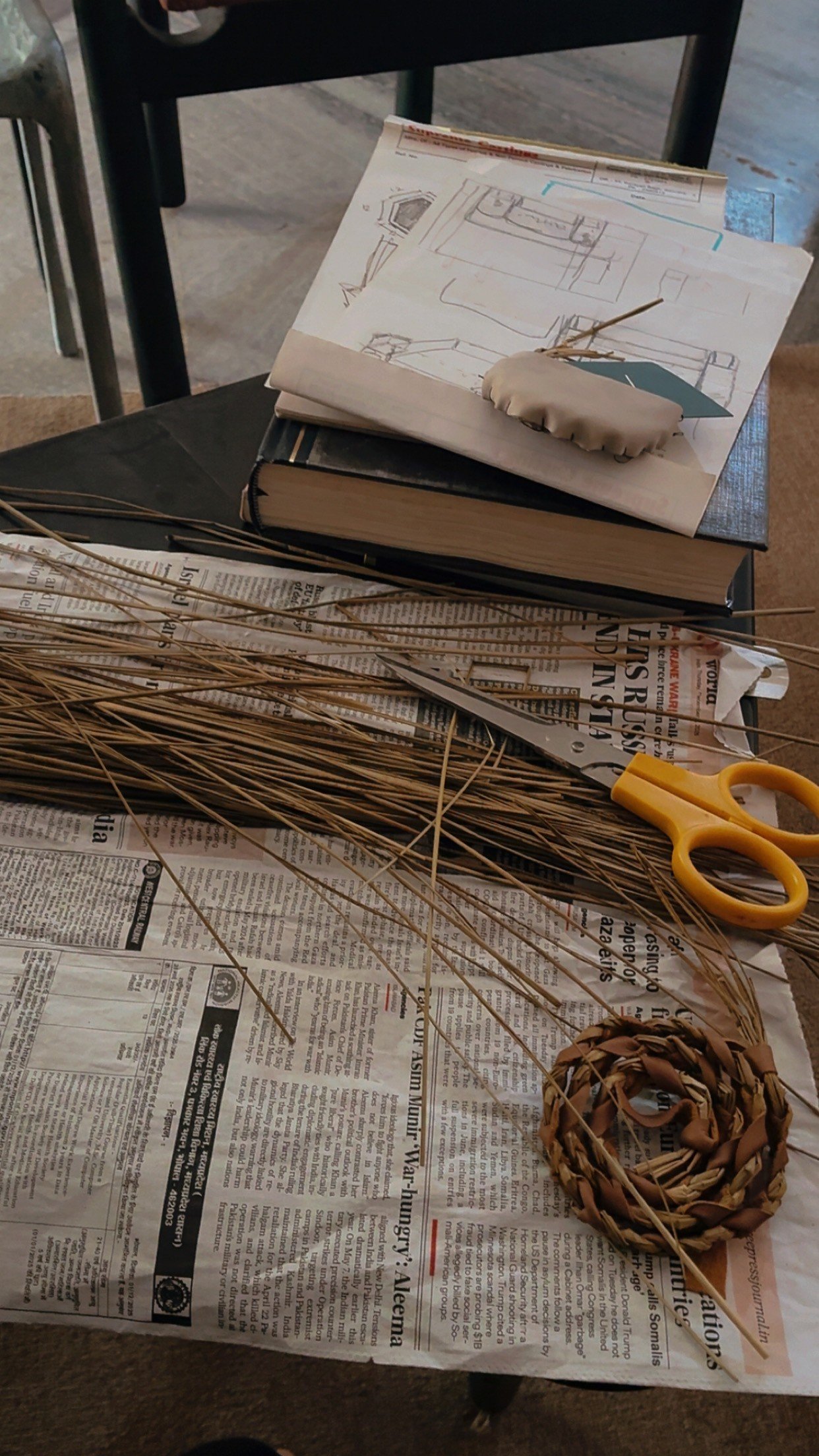
How a simple question in a textile factory led to a new weaving technique for resilient natural home objects.
A conversation on skill transfer, confidence, and local production systems.
No greenwashing. No preachy messaging. Moving beyond sustainability jargon.